Label all structures the structures A-H seen in the image.
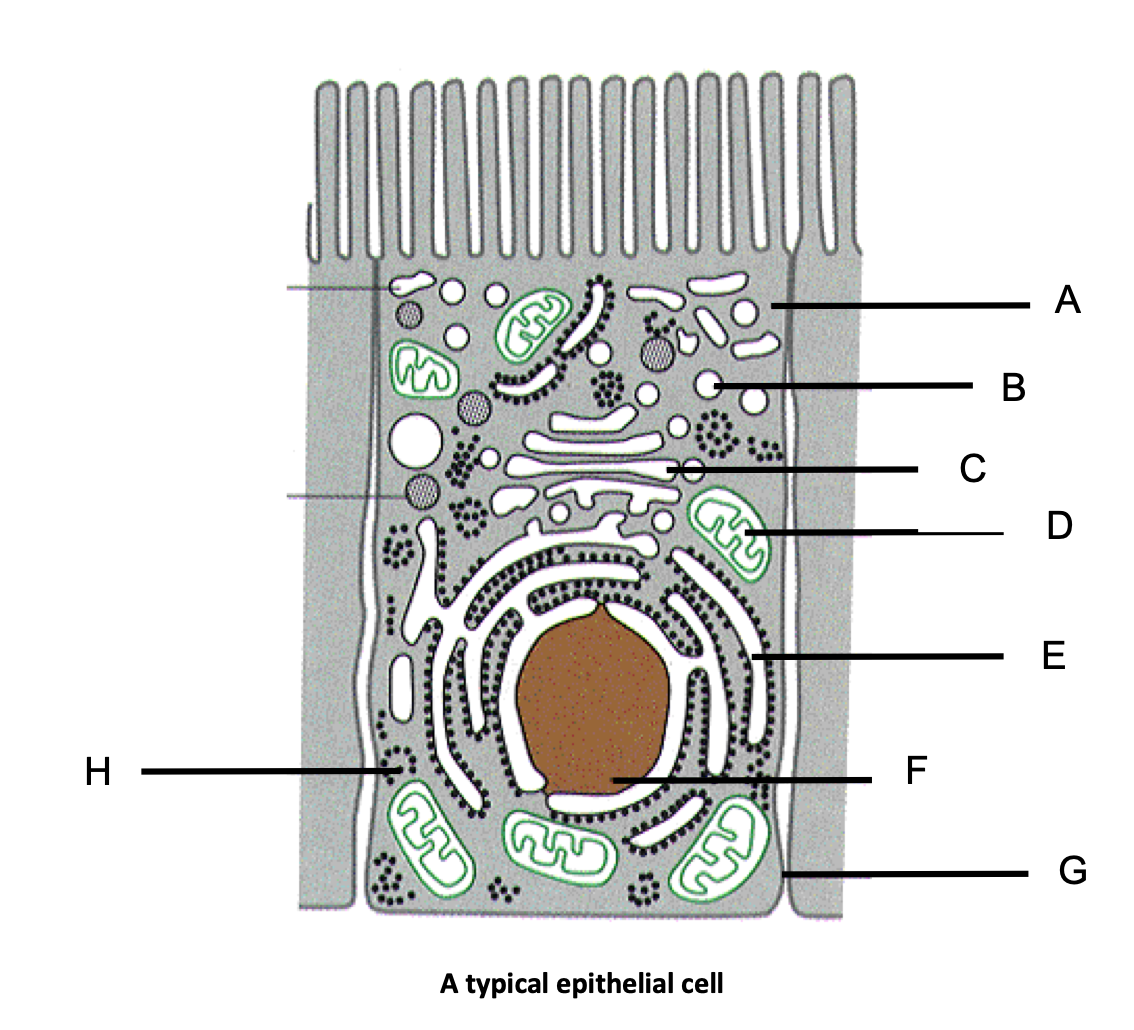
A: cytoplasm
B: lysosome
C: Golgi Complex
D: mitochondria
E: Endoplasmic reticulum
F: Nucleus
G: Plasma Membrane
H: Ribosome
State the structure, function and disease associated with an error in the:
- Nucleus
Nucleus
Structure: Stained spherical structure that acts as the cell’s control centre.
Functions:
- DNA synthesis & repair,
- RNA synthesis,
- RNA processing & ribosome assembly.
Disease Associated:
- Alzheimer’s disease
- Parkinson’s disease
- Huntington’s disease
State the structure and function of the following structures:
- Nucleolus
- Nuclear envelope
Nucleolus
Structure : Darker stained circular region with the nucleus (centre of nucleus)
Function : Ribosome synthesis
Nuclear membrane/envelope
Structure: Partially permeable double-membrane.
Function: Has nuclear pores for the passage of substances
State the structure, function and the disease associated with an error in the:
- Cytoplasm
Cytoplasm
Structure: Contains enzymes, cellular organlles, and amino acids. Primarily made out of water.
Function: Cell morphology & movement.
Disease:
- Hunter’s disease
- Faybry disease
- Krabbe disease
State the structure, function and the disease associated with an error in the:
- Ribosomes
Ribosomes
Structure: Tiny circular structures which:
- attahced to the rER
- lie freely in the cytoplasm
Function: Protein synthesis
Disease:
- Bone marrow failure
- Diamond blackfin anaemia
- Cancer
- Dyskeratosis congenita
Distinguish between free and bound polyribosomes in terms of protein production.
- Free polyribosomes synthesise proteins which remain in the cytoplasm
- Bound polyribosomes show protein synthesis and segregation into the rough ER
State the structure, function and the disease associated with an error in the:
- Plasma membrane
Plasma membrane
Structure: Partially permeable membrane that encloses contents of cells
Function:
- Regulates export of proteins (secretory vesicles)
- Transport of ions and small molecules
–
- Selective permeability
- Transport of materials along cell surface
- Endocytosis and exocytosis
- Intercellular recognition
- Barrier to water-soluble molecules
–
Disease:
- Alzheimer’s disease
- Sickle cell anaemia
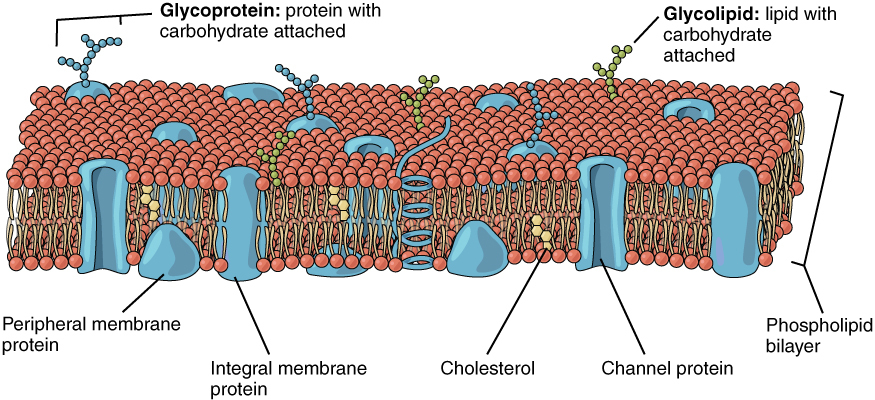
Describe the structure of plasma membranes.
- Composed of a phospholipid bilayer
- Hydrophilic heads, hydrophobic tails
- Associated membrane proteins: Integral and peripheral proteins
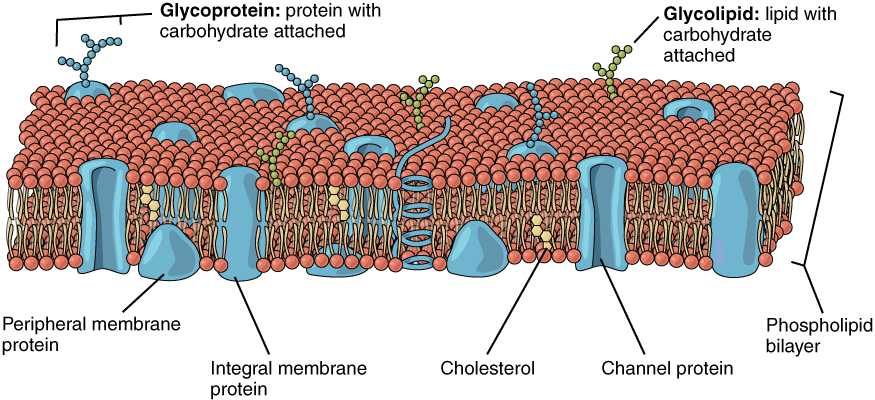
Outline 4 features of the Fluid Mosaic Model
- Hydrophobic fatty acid tails in the middle
- Hydrophilic heads on the outside
- Membrane proteins: integral proteins, peripheral proteins
- Phospholipids form a bi-layer
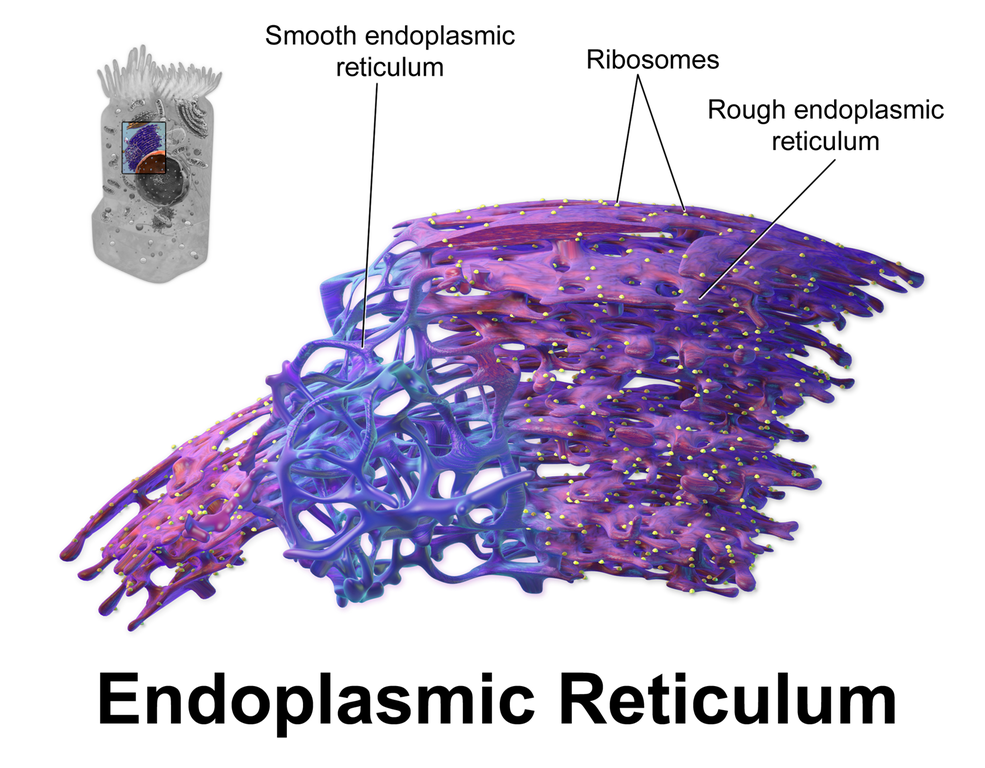
State the structure and function of the following:
- sER
- rER
Smooth ER
Structure : Network of tubes and flat curved sacs
Function:
- Detoxification reactions
- Fatty acid synthesis
- Lipid & steroid synthesis
Rough ER
Structure: Folded membranes studded with ribosomes
Function: Site of protein/membrane synthesis
Describe the structure of the endoplasmic reticulum.
- ER membrane is continuous and encloses a single lumen
- sER does not have ribosomes attached
- rER has ribosomes attached
State the structure and function of the following:
- Lysosome
Lysosome
Structure: Generated by the Golgi Apparatus
Funtion: Produces hydrolytic enzymes that aid in digesyion and excretion of substances
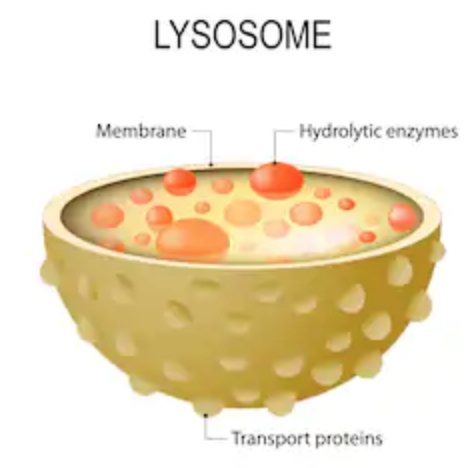
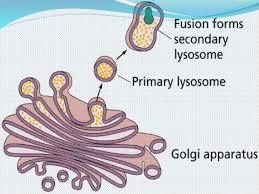
Distinguish between primary and secondary lysosomes in terms of their formation and function.
Primary lysosome:
I. Formed from the Golgi apparatus
II. Does not release intracellular contents
Secondary lysosome:
I. Formed by the fusion of the primary lysosome and an endocytotic/phagocytotic vesicle
II. Releases intracellular contents/waste products
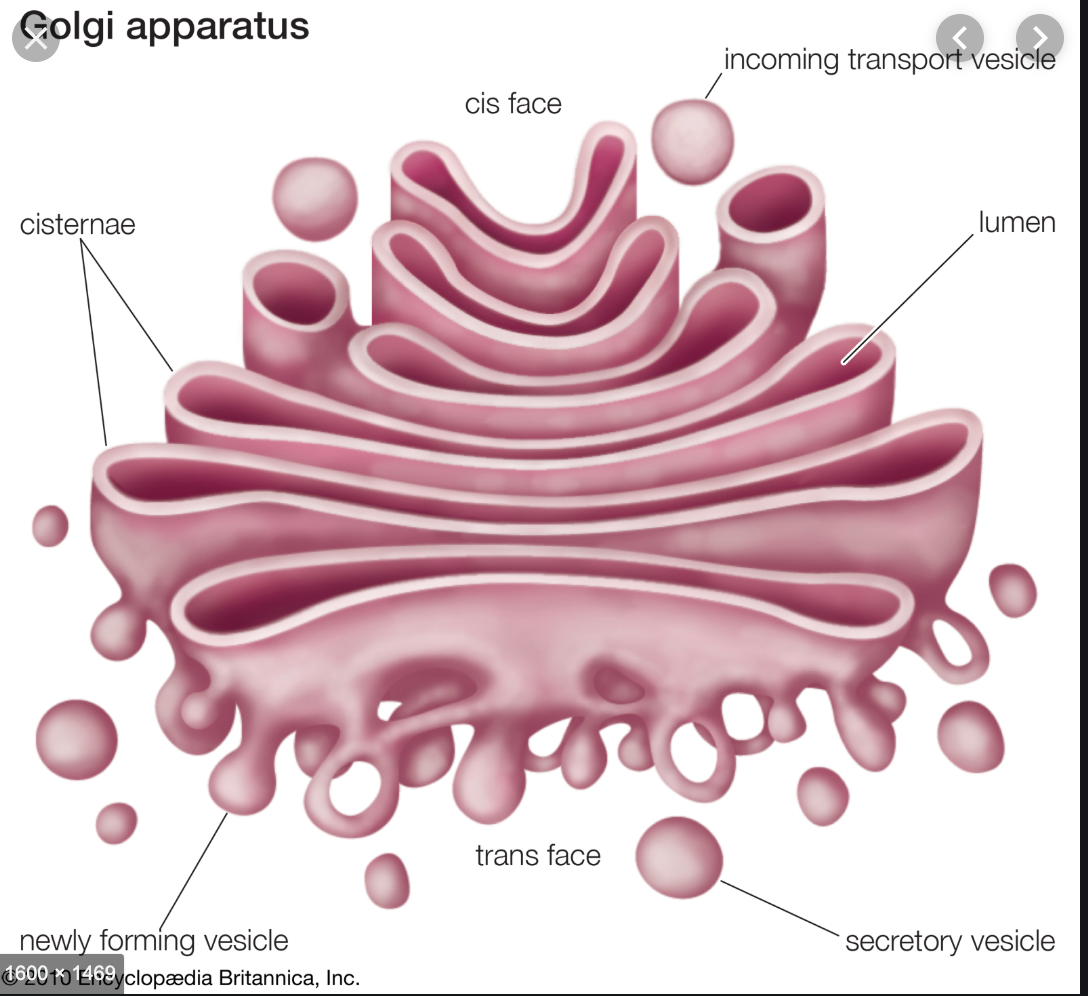
State the structure and function of the following:
- Golgi complex
Golgi complex
Organelle that processes, modifies and repackages proteins produced in the rER for release at the cell membrane via secretory vesicles
State the structure and function of the following:
- Microtubules
- Centriole
- Microvillii
Microtubules : part of the cell’s cytoskeleton, aid movement of substances through cytoplasm
Centriole: composed of two cylinders of tubules; essential to cell reproduction
Microvilli: projections which increase the cell’s surface area
State the structure and function of the following:
- Microfilament
- Vacuole
- Cytoskeleton
Microfilament: provides support for the cell; sometimes linked to cell’s outer membrane
Vacuole: sac that stores and transport ingested materials, waste products and water
Cytoskeleton: internal framework of the cell, made up of microfilaments and hollow microtubules
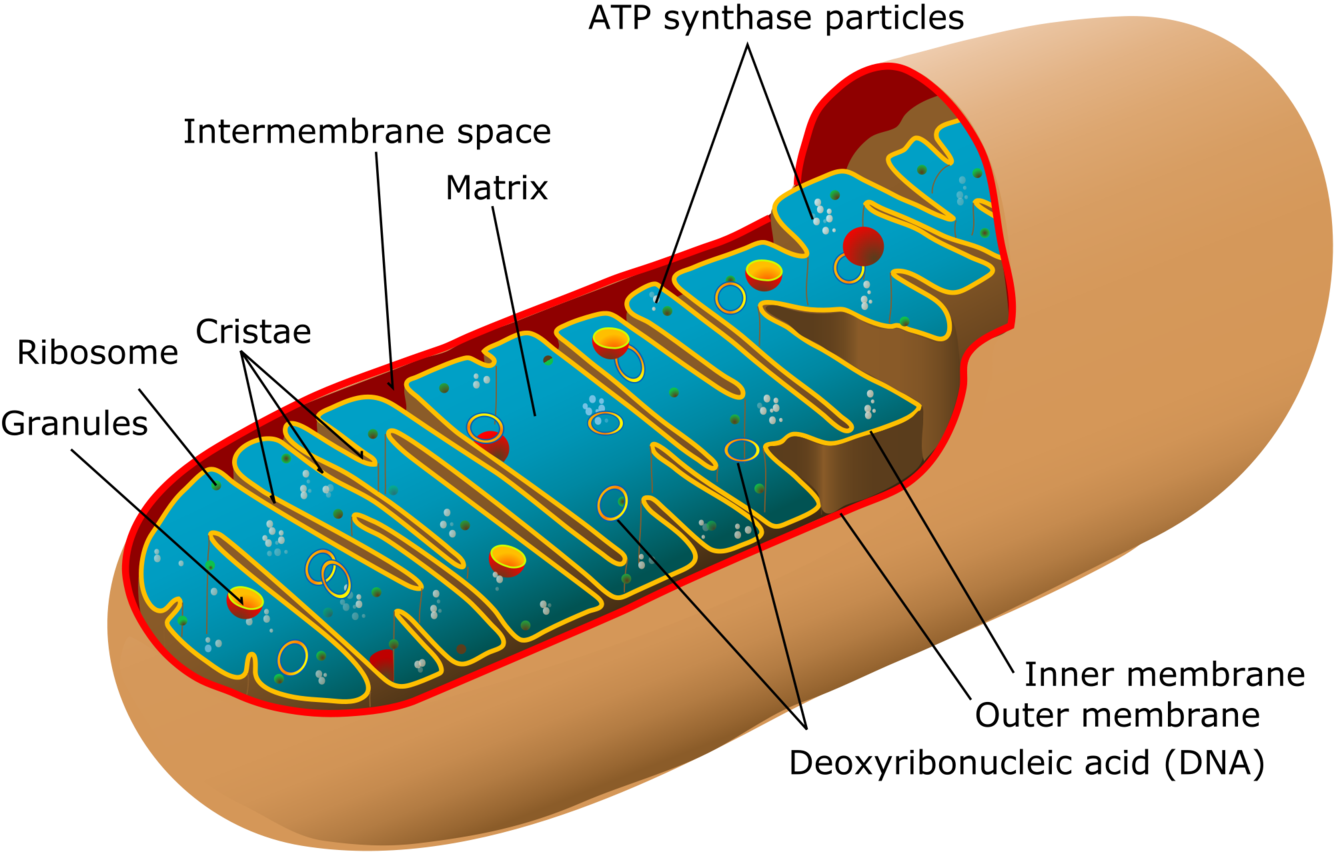
Describe the structure and function of mitochondria.
Mitochondrion
Double-membraned organlle where energy is released. Contains circular DNA, 70S ribosomes
- Site of ATP synthesis for metabolic reactions (oxidative phosphorylation)
- Metabolism of carbohydrates, amino acids, and nucleotides
How are mitochondrias inherited?
Female lineage
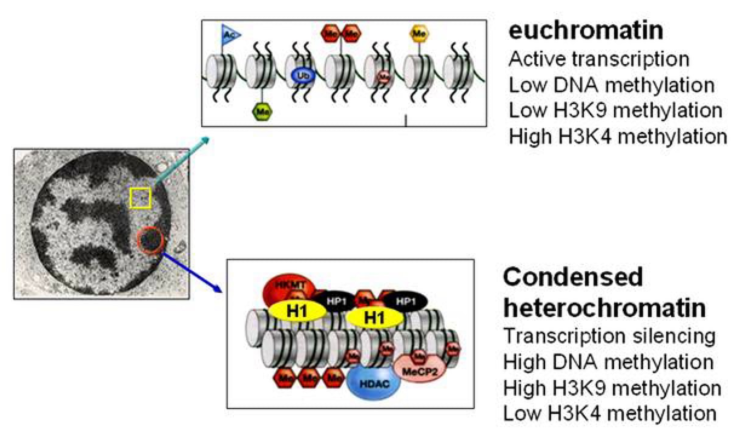
What are the two types of chromatin?
Euchromatin and Heterochromatin
Euchromatin
- does no stain strongly, lighter packaging
Heterochromatin
- stains more intensely, indicating tighter packing
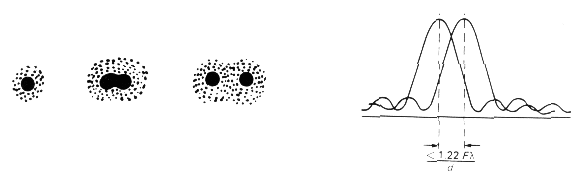
What is limit of resolution?
Limit of resolution – the minimum distance at which two objects can be distinguished
Outline the general structure of prokaryotic cells.
- Prokaryotic cells have an external membrane but no internal membranes
- All the biochemical processes of the cell occur in the same compartment
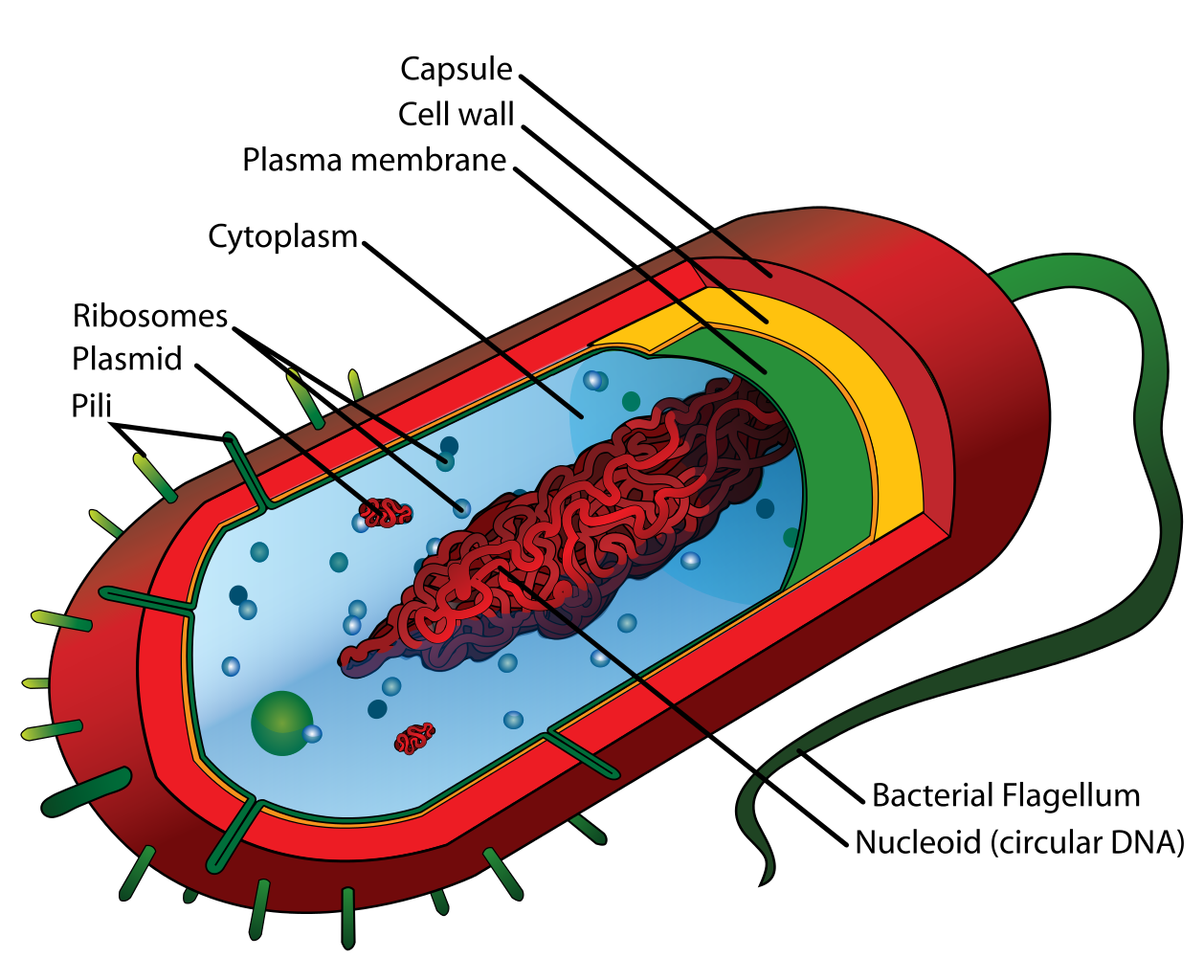
Identify 7 primary components of the prokaryotic cell
- Capsule
- Cell wall
- Plasma membrane
- Flagella
- 70s Ribosomes
- Nucleoid
- Pili
Outline the general structure of a eukaryotic cell.
- Eukaryotic cells are compartmentalised by internal membranes.
- Hence, eukaryotic cells have a true nucleus and true organelles
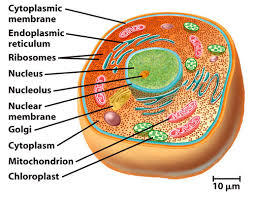
Identify 10 primary components of the eukaryotic cell.
- Plasma membrane
- Vacuole
- Nuclear envelope
- Nucleolus
- Chromosomes
- Lysosome
- ER (rER and sER)
- Golgi Complex
- Free ribosomes
- Mitochondria


-
Basic Cell Structure37
-
S1. Protein Structure46
-
S4) Enzymes40
-
S1) Introduction to DNA30
-
S2) Mitosis and Meiosis44
-
S3) DNA Repair & Cancer18
-
S6) Genotype, Phenotype, Inheritance44
-
S7) Gene Expression32
-
S8) Post-translational Modifications25
-
S9) Introduction to DNA Mutation15
-
S9) Protein Targeting and Collagen Biosynthesis24
-
S10) Protein Function — Oxygen Transport15
-
S10) Regulation of Protein Function30
-
S11) Introduction to Molecular Diagnosis30
-
S12) Advanced Molecular Techniques19
-
S13) DNA Mutations15
-
S14) Chromosomal Mutations34
-
S15) Epigenetics18
-
S16) Nutrition, Diet and Body Weight50
-
S17) Energy Production — Carbohydrates50
-
S18) Energy Production — TCA Cycle & ETC30
-
S18) Energy Production III — Lipids, β-Oxidation & Ketone Bodies34
-
Clinical Conditions19


