Stroke is also referred to as cerebrovascular accident (CVA).
Cerebrovascular accidents are either 2 things …what?
- Ischaemia or infarction of brain tissue secondary to inadequate blood supply
- Intracranial haemorrhage
what is a TIA?
crescendo TIA?
transient neurological dysfunction secondary to ischaemia without infarction that resolves within 24 hrs?
is where there are 2 or more TIAs within a week. This carries a high risk of developing in to a stroke.
if theres a sudden onset of neurological symptoms what should u suspect as a cause?
vascular cause
what are typical Stoke symptoms?
typically asymmetrical
- Sudden weakness of limbs
- Sudden facial weakness
- Sudden onset dysphasia (speech disturbance)
- Sudden onset visual or sensory loss
what symptoms do ptx who’ve suffered haemorrhagic stroke are more likely to have vs ischemic?
- decrease in the level of consciousness: seen in up to 50% of patients with a haemorrhagic stroke
- headache is also much more common in haemorrhagic stroke
- N & V is also common
- seizures
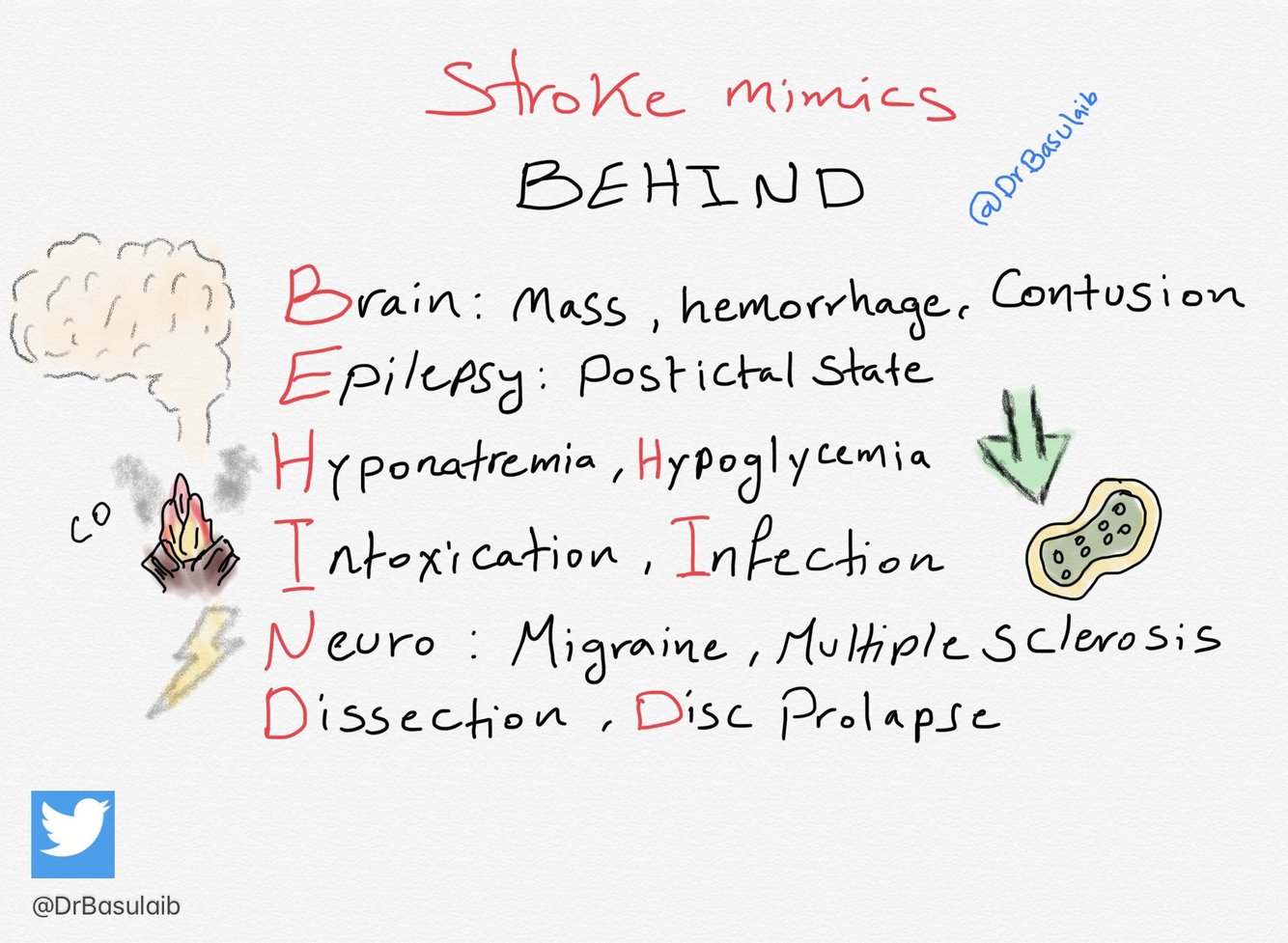
stroke mimics
BE HIM
Oxford Stroke Classification
(also known as the Bamford Classification)
what 3 criteria should be assessed?
classifies strokes based on the initial symptoms
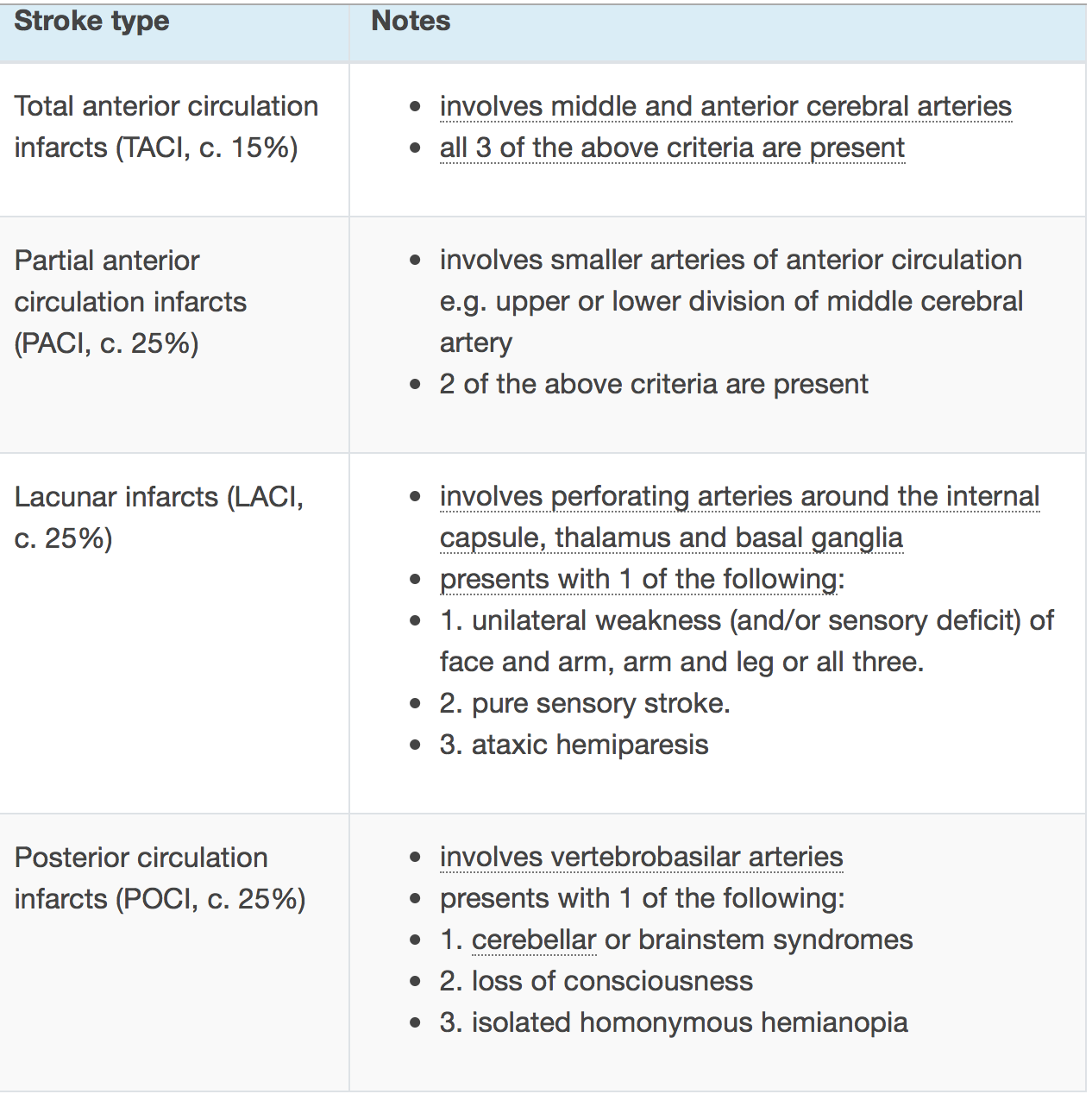
The following criteria should be assessed:
- unilateral hemiparesis and/or hemisensory loss of the face, arm & leg (weakness)
- homonymous hemianopia
- higher cognitive dysfunction e.g. dysphasia
Risk Factors
- Cardiovascular disease such as angina, myocardial infarction and peripheral vascular disease
- Previous stroke or TIA
- Atrial fibrillation
- Carotid artery disease
- Hypertension
- Diabetes
- Smoking
- Vasculitis
- Thrombophilia
- Combined contraceptive pill
post-stroke complications:
PRISM R
- Pain and fatigue Post-stroke
- Recurrent stroke and extension of stroke
- Infections > chest infection bc aspiration) UTI (bc incomplete bladder empty from constipation or bed bound
- Spasticity, contractures & secondary epilepsy
- Mood & cognitive dysfunction
- Raised ICP
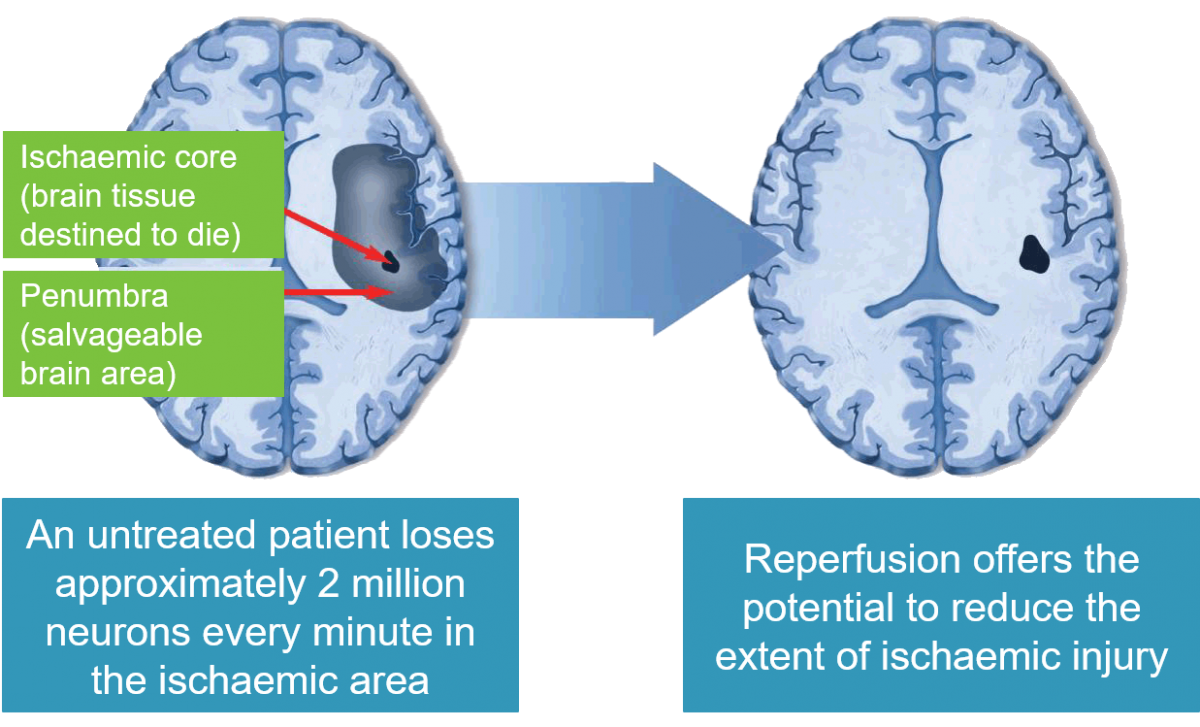
What determines the recovery of the stroke?
due to loss of the ischaemic penumbra resulting from suboptimal physiology.
Name 2 different types of tools used for stroke and what theyre used for?
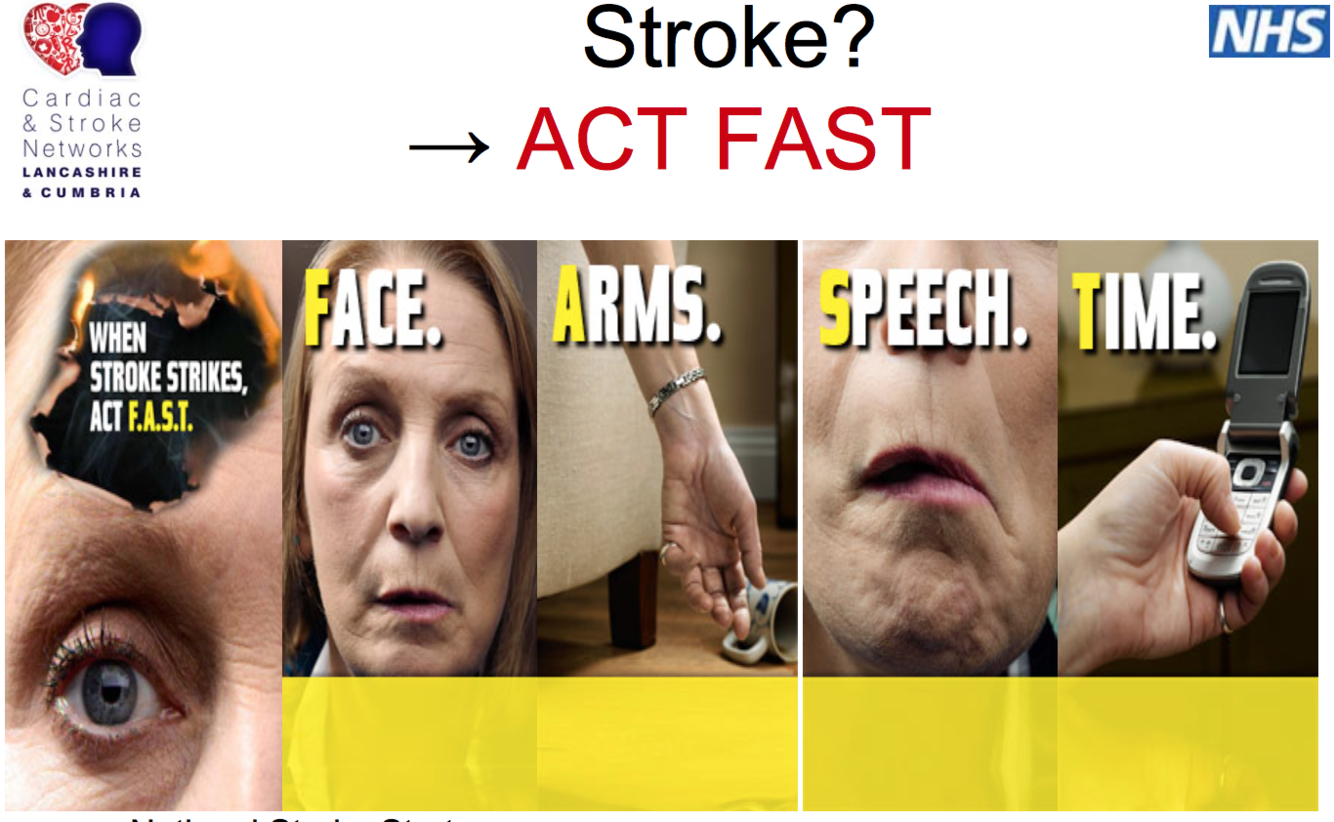
FAST Tool for Identifying a Stroke in the Community
F – Face
A – Arm
S – Speech
T – Time (act fast and call 999)
ROSIER Tool for Recognition Of Stroke In Emergency Room
ROSIER is a clinical scoring tool based on clinical features and duration. Stroke is likely if the patient scores anything above 0.
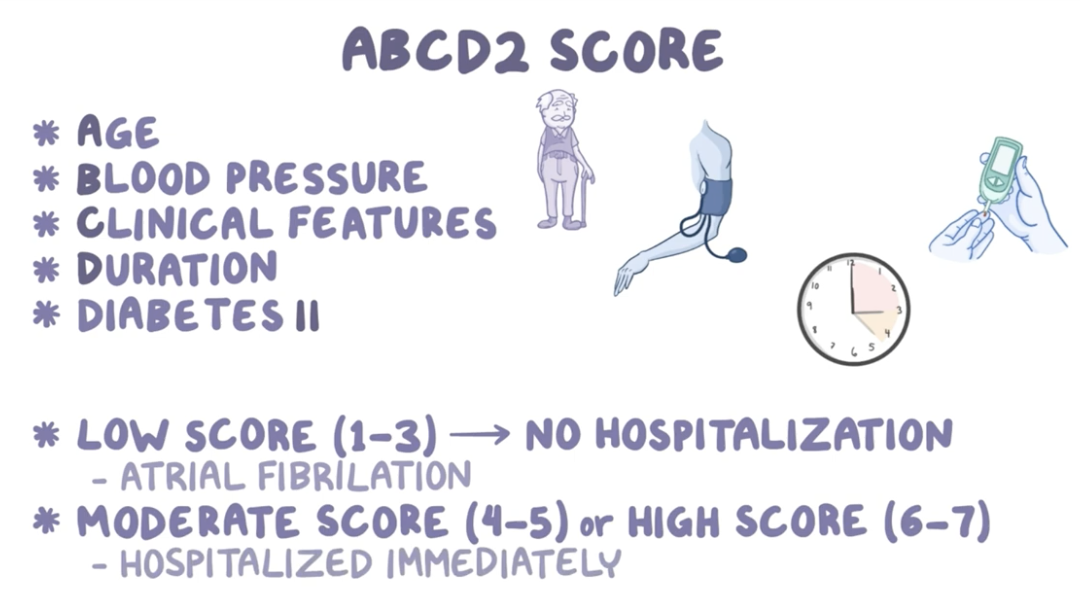
what is the ABCD2 Score?
The ABCD2 score is used for assessing patients with a suspected TIA to estimate their risk of having a stoke.
The ABCD2 score is based on:
A – Age (> 60 = 1)
B – Blood pressure (> 140/90 = 1)
C – Clinical features (unilateral weakness = 2, dysphasia without weakness = 1)
D – Duration (> 60 = 2, 10 – 60 = 1, < 10 = 0)
D – Diabetes = 1
what is the NIHSS
National Institutes of Health Stroke Scale
CALCULATES THE SEVERITY OF ISCHEMIC STROKE
It is a systematic neurological assessment for stroke which measures “neurological deficit”
• Score from 0 - 42
NICE: a score of more than 5 consider thrombectomy
1st line investigation for stroke?
A non-contrast CT head scan–> exclude primary intracerebral haemorrhage
Investigations of TIA
Carotid doppler uss
ECHO
CT OR MR ANGIOGRAPHY By specialist
Management of TIA
- Start aspirin 300mg daily.
- Start 2ndry prevention measures for CVS disease.
If have crescendo TIAs –> should be seen w/in 24 hrs hours by a specialist.
- Perform an ABCD2 Score
≤ 3: specialist assessment within 1 week
> 3: specialist assessment within 24 hours
Management of Stroke
- Admit patients to a specialist stroke centre
- Exclude hypoglycaemia and do ECG
- Immediate Non-contrast CT brain to exclude primary intracerebral haemorrhage
- Aspirin 300mg stat (after the CT) and continued for 2 weeks
Thrombolysis with alteplase w/in 4.5 hrs –> after CT scan has excluded an intracranial haemorrhage.
monitoring do repeat CT –> check post thrombolysis complications such as intracranial or systemic haemorrhage.
the ischemic Penumbra is targeted in thrombolysis
Contraindications to thrombolysis
anticoagulation (INR >1.7)
Active bleeding (varices, ulcers)
Major surgery / trauma in the preceding 2 weeks
Uncontrolled hypertension >200/120mmHg
pregnancy
Secondary Prevention of Stroke
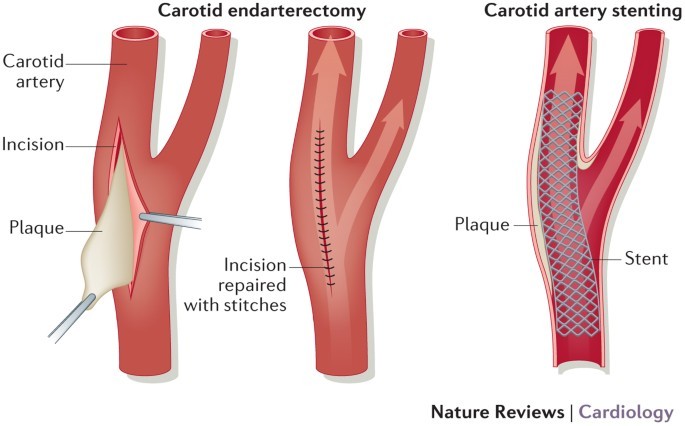
when do u do endarterectomy?
SAC
anticoagulation is usualyy given cuz they have an AF
- after 2 weeks–> Clopidogrel 75mg once daily
- Atorvastatin 80mg should be started but not immediately
- Stenting or carotid endarterectomy in ptx w/ carotid artery disease
Treat modifiable risk factors such as hypertension and diabetes
⇒ if Stenosis is >70%
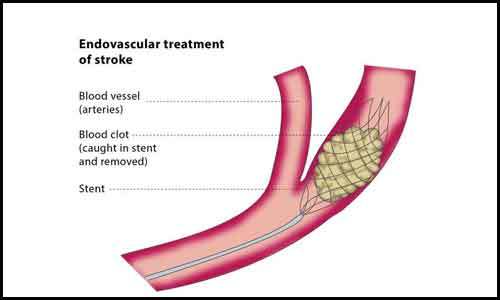
what is the standard target time to offer thrombectomy
6 hrs!
ECEPTION CAN BE EXTENDED TO 6- 24hrs–> For PROXIMAL ANTERIOR CIRCULATION
if there is a potential to save brain tissue shown by CT perfusion or diffusion-weighted MRI showing not limited infarct core volume
(only “proximal” cuz its easier acces to put stent)
if ptx cannot tolerate Clopidegrol or is allergic what do u give?
modified-release (MR) + aspirin
dipyridamole 200mg x2 daily
who is involved in the Stroke Rehabilitation
MDT
- Nurses
- Speech and language (SALT)
- Nutrition and dietetics
- Physiotherapy
- Occupational therapy
- Social services
- Optometry and ophthalmology
- Psychology
- Orthotics
Follow up post stroke/TIA?
- Arrange follow up in primary care on discharge at 6 months
- Then annually to review health & social care needs
Name 6 non medical modification or advice you would give to somone who had a stroke?
- Patient information is available from the Stroke Association.
- Provide advice about driving if appropriate.
- Provide advice about returning to work if appropriate.
- Encourage physical activity every day
- Stop smoking
- Diet
- Disability is most commonly measured using the Barthel index (BI), an outcome measure for stroke

-
session 1: reflex. tracts, seizures18
-
Epilepsy52
-
Session 1: CSF, ventricular system16
-
Neurological terminology11
-
NTD9
-
session 2: Cellular physiology of the brain38
-
SESSION 3: SOMATOSENSORY SYSTEM3
-
SESSION 4: VISUAL SYSTEM5
-
Session 5: Motor system, basal ganglia, cerebelleum36
-
Parkinsons50
-
Neuropathology54
-
STROKES38
-
Head Trauma & Acute Intracranial Events15
-
Psychiatry6
-
Anxiety disorders29
-
Psychosis14
-
Depression26
-
Pathophysiology & Management of Spinal Cord Injuries6
-
HEADACHES32
-
Neuro conditions26
-
STROKE 227


