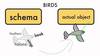
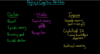
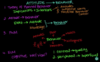
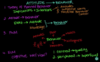
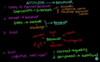
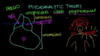
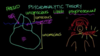
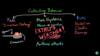
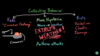
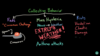
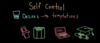
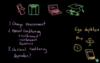
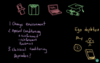
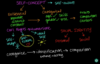
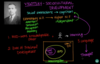
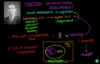
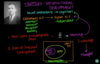
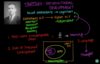
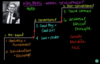
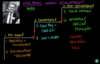
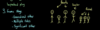
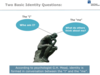
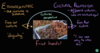
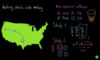
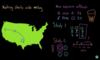
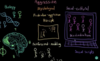
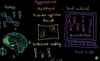
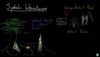
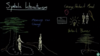
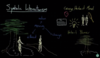
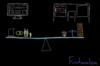
What are the things that allow us to perceptually organize by taking into account these things (what are these things?): depth, form, motion, and constancy?
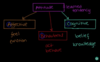
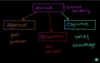
Visual cues are the things that allow us to perceptually organize by taking into account these cues: depth, form, motion, and constancy?
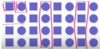
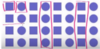
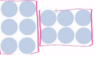
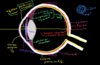
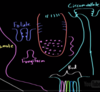
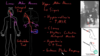
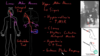
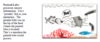
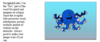
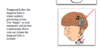
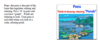
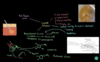
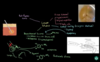
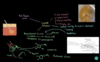
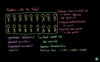
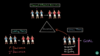
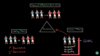
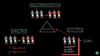
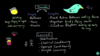
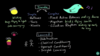
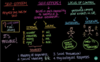
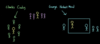
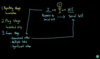
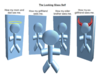
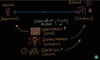
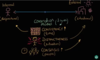
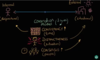
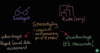
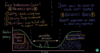
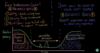
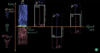
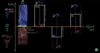
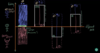
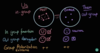
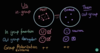
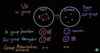
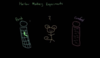
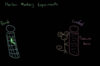
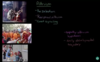
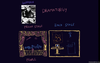
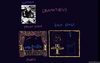
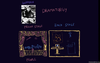
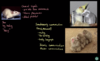
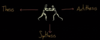
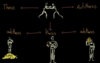
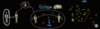
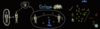
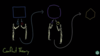
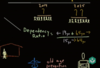
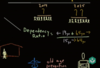
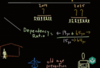
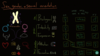
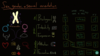
Humans have two eyes which allow them to receive visual cues from their environment by . These give them a sense of . This also gives them —Eyes are ~2.5 inches apart which allows humans to get slightly different views of objects of world around. Gives humans an idea on . (PIC is of third set of blank).
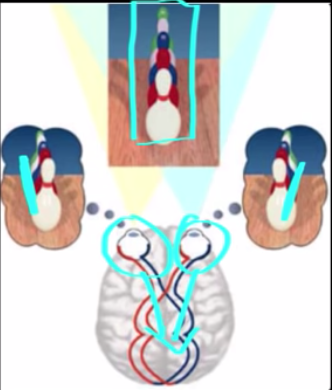
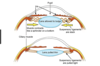
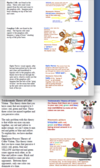
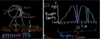
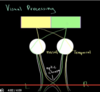
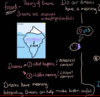
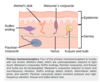
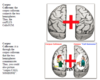
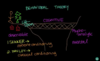
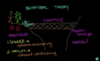
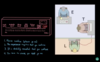
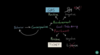
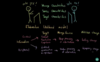
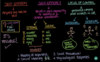
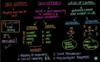
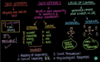
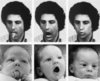
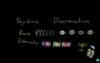
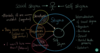
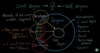
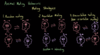
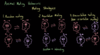
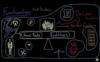
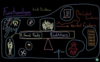
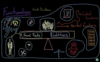
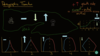
Humans have two eyes which allow them to receive visual cues from their environment by binocular cues.** These give them a sense of **depth**. This also gives them **retinal disparity**. Eyes are ~2.5 inches apart which allows humans to get slightly different views of objects of the world around. Gives humans an idea on **depth. [PIC is of third set of blank (retinal disparity to show how helps with depth)].
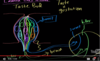
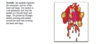
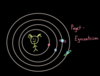
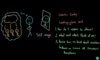
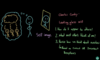
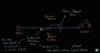
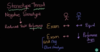
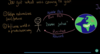
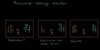
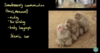
_________ is another way of saying that if we are looking at something far away, the muscles in our eyes are fairly relaxed. This gives humans an idea of depth based on how much eyeballs are turned. The blank gives humans a sense of depth.
- Things far away - muscles of eyes relaxed.
- Things close to us - muscles of eyes contract
Convergence
Humans also have visual cues they receive which they do not need two eyes for. These are called __________ ____.
- __________ ____ give humans a sense of form of an object
- ______ ___ - Can infer with one eye. The closer an object is, the more it is perceived as being bigger. ______ ___ gives us an idea of form.
Humans also have visual cues they receive which they do not need two eyes for. These are called monocular cues.
- m__onocular cues give humans a sense of form of an object (The underlined answer listed below is a monocular cue).
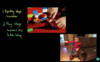
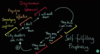
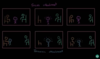
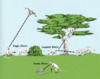
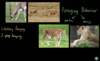
- Relative size - Can infer with one eye. The closer an object is, the more it is perceived as being bigger. Relative size gives us an idea of form.
Humans also have visual cues they receive which they do not need two eyes for. These are called monocular cues.
Monocular cues give humans a sense of form of an object (The underlined answer listed below is a monocular cue).
- ___________ (_________)- Perception that one object is in front of another and that that object is therefore closer

Humans also have visual cues they receive which they do not need two eyes for. These are called monocular cues.
Monocular cues give humans a sense of form of an object (The underlined answer listed below is a monocular cue).
- Interposition** **(overlap)- Perception that one object is in front of another and that that the object is therefore closer.
Humans also have visual cues they receive which they do not need two eyes for. These are called monocular cues.
Monocular cues give humans a sense of form of an object (The underlined answer listed below is a monocular cue).
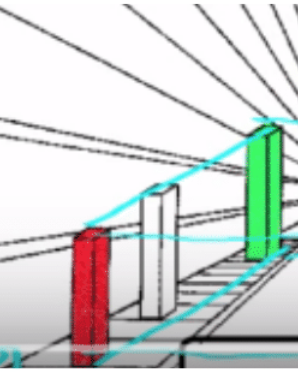
- ___________ ______-things higher are perceived to be farther away than those that are lower.
Humans also have visual cues they receive which they do not need two eyes for. These are called monocular cues.
Monocular cues give humans a sense of form of an object (The underlined answer listed below is a monocular cue).
- Relative height-things higher are perceived to be farther away than those that are lower.
Humans also have visual cues they receive which they do not need two eyes for. These are called __________ ______.
__________ ____ give humans a sense of ____ of an object (The underlined answer listed below is a monocular cue).
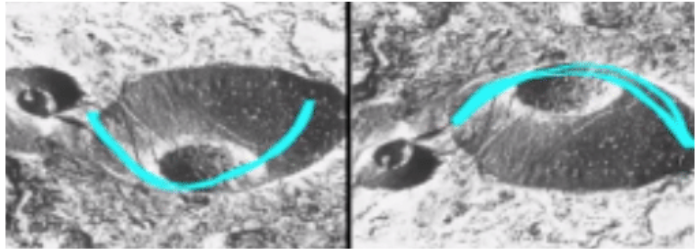
- _________ ________ using light and shadows to perceive form depth/contours – crater/mountain.
Humans also have visual cues they receive which they do not need two eyes for. These are called monocular cues.
Monocular cues give humans a sense of form of an object (The underlined answer listed below is a monocular cue).
- Shading** and **contour using light and shadows to perceive form depth/contours – crater/mountain.
___________ _____ can also give a sense of _____. (What is listed below is a ___________ _____ and gives a sense of _____?)
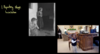
- ___________ _________–”relative motion” Things farther away move slower, and things closer appear to be moving faster. Based on how the images move, you can get an idea of how far away things are
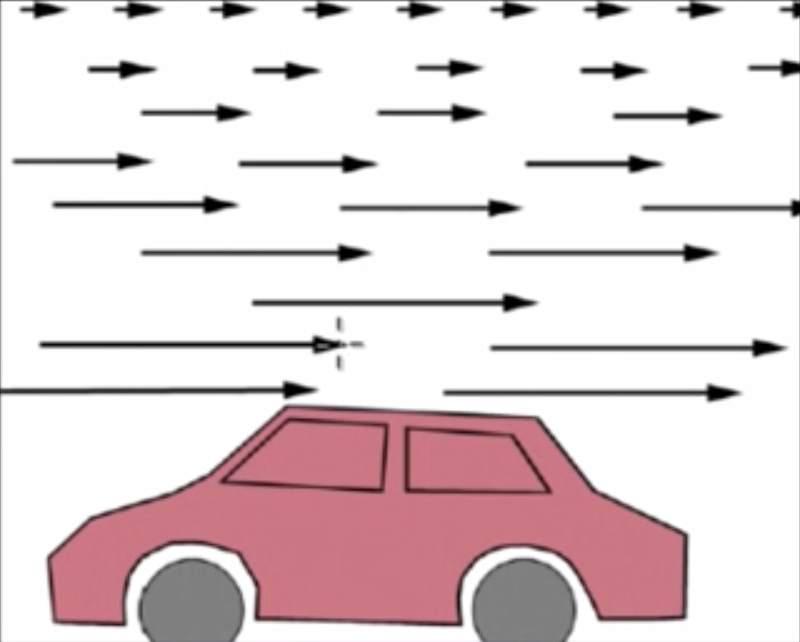
Monocular cues can also give a sense of motion. (What is listed below is a monocular cue and gives a sense of motion?)
- Motion parallax–”relative motion” Things farther away move slower, and things closer appear to be moving faster. Based on how the images move, you can get an idea of how far away things are.
There is a monocular cue of ___________.
- ____________– Our perception of the object doesn’t change even if the image cast on the retina is different. Different types of __________ include ____ ____________, _____ __________, and _____ _________.
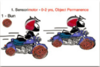
- ____ __________: even though one object that appears larger because it is closer, we still percieve it to be the same size. It remains the same percieved size even though the image on our retina has changed size.
- _____ __________: even though the image changes the shape on our retina through angular ponts of view, we still percieve that object to be the same shape.
- Ex. A door opening means the shape is changing, but we still believe the door is a rectangle.
- _____ ___________: despite changes in lighting which change the image falling on our retina, we understand (perceive) that the object is the same color.
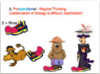
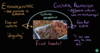
There is a monocular cue of constancy.
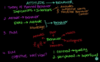
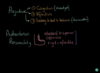
- Constancy**– Our perception of the object doesn’t change even if the image cast on the retina is different. Different types of **constancy include size constancy, shape constancy, and color constancy.
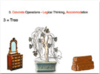
- Size constancy: even though one object that appears larger because it is closer, we still perceive it to be the same size. It remains the same perceived size even though the image on our retina has changed size.
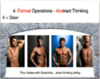
- Shape constancy: even though the image changes the shape on our retina through angular points of view, we still perceive that object to be the same shape.
- Ex. A door opening means the shape is changing, but we still believe the door is a rectangle.
- Color constancy: despite changes in lighting which change the image falling on our retina, we understand (perceive) that the object is the same color.
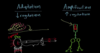
________ ___________: Our senses are adaptable and they can change their sensitivity to stimuli. (What is listed below falls under the category of the first set of blanks).
- _________ _________– ______ ____ ______: higher noise = muscle contract (this dampens vibrations in the inner ear and, therefore, protects the ear drum). ______ ____ _______ contraction takes a few seconds to kick in! Therfore, the ________ does not work for immediate noises like a gun shot, but it works for being at a rock concert for the entire afternoon.
Sensory adaptation: Our senses are adaptable and they can change their sensitivity to stimuli. (What is listed below falls under the category of sensory adaptation).
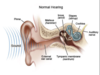
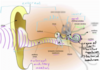
- Hearing adaptation– inner ear muscle: higher noise = muscle contract (this dampens vibrations in the inner ear and, therefore, protects the eardrum). An inner ear muscle contraction takes a few seconds to kick in! Therefore, the adaptation does not work for immediate noises like a gunshot, but it works for being at a rock concert for the entire afternoon.
________ ___________: Our senses are adaptable and they can change their sensitivity to stimuli. (What are listed below falls under the category of the first set of blanks).
- ________–temperature receptors are desensitized over time
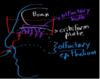
- ________–desensitized receptors in your nose to molecule sensory information over time
Sensory adaptation: Our senses are adaptable and they can change their sensitivity to stimuli. (What are listed below falls under the category Sensory adaptation).
- Touch–temperature receptors are desensitized over time
- Smell–desensitized receptors in your nose to molecule sensory information over time
________ ___________: Our senses are adaptable and they can change their sensitivity to stimuli. (What are listed below falls under the category of the first set of blanks).
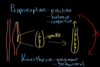
- _____________–is the sense of the position of the body in space i.e. “sense of balance/where you are in space.”
- Experiment: goggles that make everything upside down and the perception of the world, and eventually you would accommodate over time, and your brain would develop to flip the image back over.
Sensory adaptation: Our senses are adaptable and they can change their sensitivity to stimuli. (What are listed below falls under the category of sensory adaptation).
- Proprioception–is the sense of the position of the body in space i.e. “sense of balance/where you are in space.”
- Experiment: goggles that make everything upside down and the perception of the world, and eventually you would accommodate over time, and your brain would develop to flip the image back over.
________ ___________: Our senses are adaptable and they can change their sensitivity to stimuli. (What are listed below falls under the category of the first set of blanks).
- ______–downregulation or upregulation to light intensity.
- ____ ___________: light adaptation. When it is bright out pupils constrict, causing less light to enter the eye. The rods and cones of the eyes become desensitized to light too.
- __ ___________: dark regulation. Pupils dilate, and rods are cones start synthesizing light-sensitive molecules
Sensory adaptation: Our senses are adaptable and they can change their sensitivity to stimuli. (What are listed below falls under the category of sensory adaptation).
- Sight–downregulation or upregulation to light intensity.
- Down regulation: light adaptation. When it is bright out pupils constrict, causing less light to enter the eye. The rods and cones of the eyes become desensitized to light too.
- Up-regulation: dark regulation. Pupils dilate, and rods are cones start synthesizing light-sensitive molecules
Explain Weber’s Law?
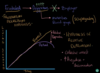
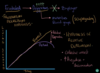
Weber’s Law states that a change in the stimulus that will be just noticeable is a constant ratio of the original stimulus.
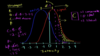
- delta I (JND)/ I (initial intensity) = k (constant)
- ex. 0.2/2 = 0.5/5 = 0.1. Therefore, the change must be 0.1 of initial intensity to be noticeable.
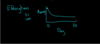
- If we take Weber’s law and rearrange it, we can see that it predicts a linear relationship between incremental threshold and background intensity.
- delta I = Ik
- If you plot I against delta I, it’s constant.
- Side Note: A 2 lb weight compared to a 2.05 lb weight will feel the same, but a 2 lb weight compared to a 2.2 lb weight will feel different.
The threshold at which you’re able to notice a change in any sensation is the ____ _______ __________ (___).
The threshold at which you’re able to notice a change in any sensation is the just noticeable difference (JND).
What is the absolute threshold of sensation?
The absolute threshold of sensation is the minimum intensity of stimulus needed to detect a particular stimulus 50% of the time. It is NOT the same as the just noticeable difference or difference threshold (JND = DT basically).
- The absolute threshold of sensation varies from person to person and can vary often within ONE individual for a number of psychological states reasons.
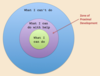
Explain more about the absolute threshold of sensation? Can the threshold be influenced by a number of factors? Is the threshold fixed or not? What are the four Psychological states that the absolute threshold of sensation be influenced by? Explain these psychological states!
The absolute threshold of sensation can certainly be influenced by a number of factors. Therefore, the threshold is NOT a fixed and NOT an unchanging number. There are four psychological states that influence and change the absolute threshold of sensation:
- Expectations–ex. Are you expecting a text? If you are, you likely have a lowered absolute threshold of sensation.
- Experience (how familiar you are with it)–ex. Are you familiar with your phone’s specific text vibration or is it new, so you might not register the stimuli.
- Motivation–are you interested in the response of the text
- Alertness–are you awake or drowsy. Ex. you are more likely to notice a noise if you are well rested and wide awake.
__________ ________–stimuli below the absolute threshold of sensation
Subliminal stimuli–stimuli below the absolute threshold of sensation
______________ refers to the process that conveys information regarding the body surface and its interaction with the environment. It can be subdivided into:
- _______________- also called descriminative touch
- _______________- temperature
- _______________- painful:mainly chemical, but also mechanical and thermal
- _______________-position
Somatosensation refers to the process that conveys information regarding the body surface and its interaction with the environment. It can be subdivided into:
- Mechanoreception- also called discriminative touch
- Thermoception- temperature
- Nociception- painful: mainly chemical, but also mechanical and thermal
- Proprioception-position
What are the four main types of somatosensation and what do each of the four types of somatosensation correspond to.?
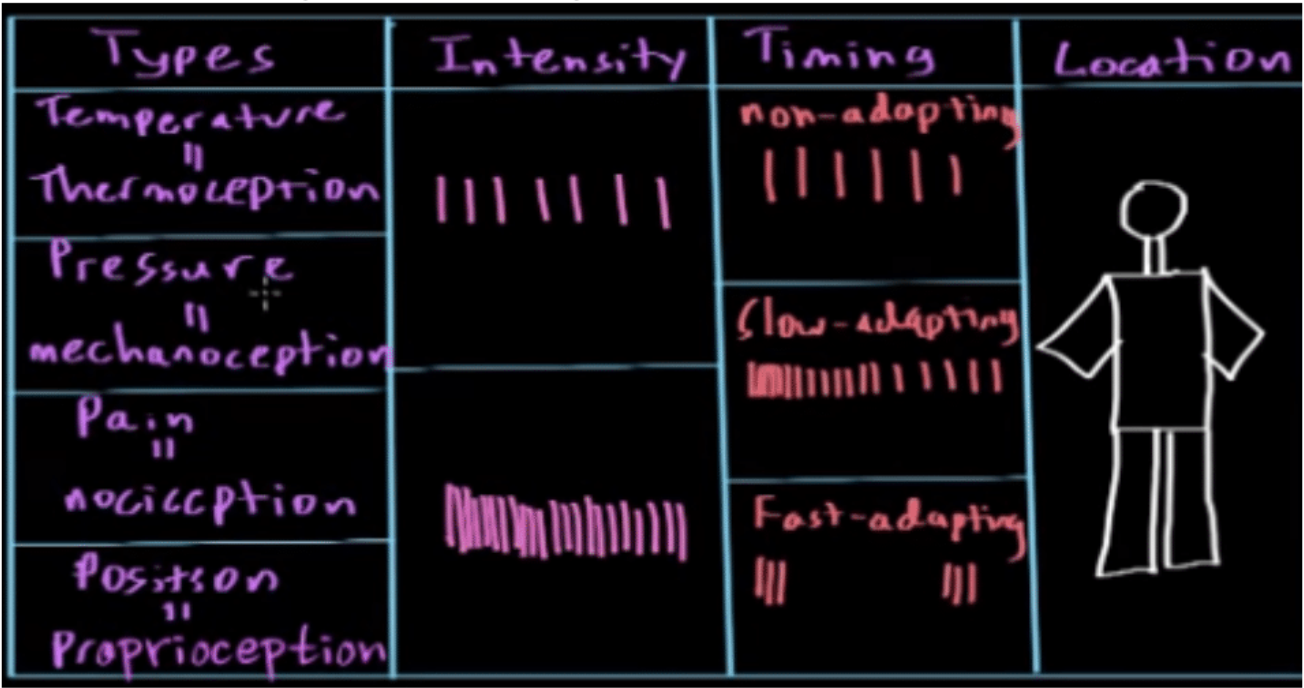
The four main types of somatosensation are thermoception (temperature), mechanoception (pressure), nociception (pain), and proprioception (position).
What term is used to ask how quickly neurons fire for us to notice? (somatosensation topic)
Intensity
- slow = low intensity
- fast = high intensity
What are the three general ways neurons encode for the timing of encoding? Explain each of the three and the differences between each of these three types?
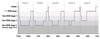
The three ways a neuron can encode for timing are either non adapting, fast adapting, or slow adapting.
- Non-adapting- neuron consistently fires at a constant rate
- Slow-adapting - neuron fires in beginning of stimulus and calms down after a while
- Fast-adapting - neuron fires as soon as stimulus start…then stops firing. Starts firing again when the stimulus stops
_________, __________, _________, and ___________ are the types of information recieved about a specific stimuls for somatosensation?
Timing, intensity**, position, and location are the types of information recieved about a specific stimuls for somatosensation?
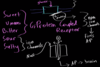
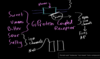
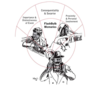
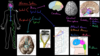
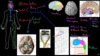
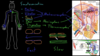
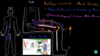
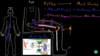
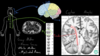
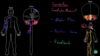
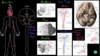
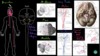
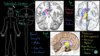
Location: Location-specific stimuli by nerves are sent to the brain. Relies on ____________, an area of skin supplied by nerves from a single spinal root.
Location: Location-specific stimuli by nerves are sent to the brain. Relies on dermatomes, an area of skin supplied by nerves from a single spinal root