What is cytogenetics?
Cytogenetics is the study of the genetic constitution of cells through the visualisation and analysis of chromosomes
What are the benefits of cytogenetic analysis?
- Accurate diagnosis/prognosis of clinical problems
- Better clinical management e.g. hormone treatment for Klinefelter syndrome
- Prenatal diagnosis
- Assess future reproductive risks
In terms of constitutional abnormalities, identify some referral reasons for cytogenetic analysis
- Prenatal diagnosis
- Birth defects
- Abnormal sexual development
- Infertility
- Recurrent foetal loss
In terms of acquired abnormalities, identify some referral reasons for cytogenetic analysis
- Leukaemia’s (acute/chronic diseases)
- Solid tumours
- Specific translocations/abnormalities
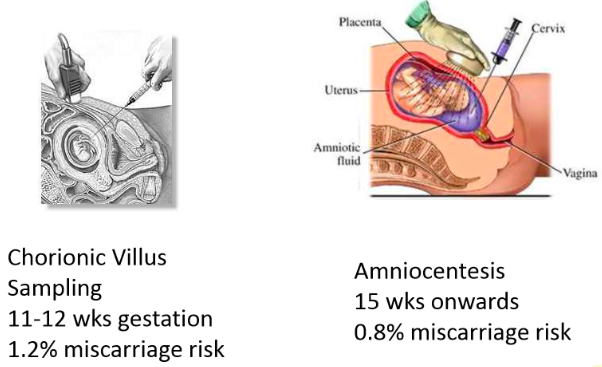
Identify and describe two prenatal diagnostic methods
Identify 4 birth defects
- Dysmorphism
- Congenital malformations
- Mental retardation
- Developmental delay
Which three biochemical techniques are used in cytogenic analysis?
- Karyotyping
- Fluorescent in situ hybridisation (FISH)
- Microarray comparative genomic hybridisation (aCGH)
Briefly describe the process of karyotyping (chromosome analysis)
Karyotyping is the systematic sorting of chromosomes:
⇒ Whole genome screen
⇒ Metaphase chromosomes stained, paired up, grouped together
⇒ Abnormalities described using standard nomenclature
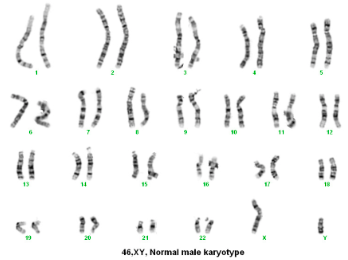
Outline the steps involved in chromosome analysis
⇒ Count the number of chromosomes
⇒ Identify each chromosome pair
⇒ Assess any missing/extra material
⇒ Recheck all chromosomes independently
Provide examples of standard nomeclature for the following:
- Normal female
- Normale male
- Female with trisomy 21
- Male with chromosome 7 inversion
- Normal female – 46,XX
- Normal male – 46,XY
- Female with trisomy 21 – 47,XX,+21
- Male with chromosome 7 inversion – 46,XY,inv(7)(p11.2q11.23)
Aneuploidy is a numerical cytogenetic abnormality.
Define it
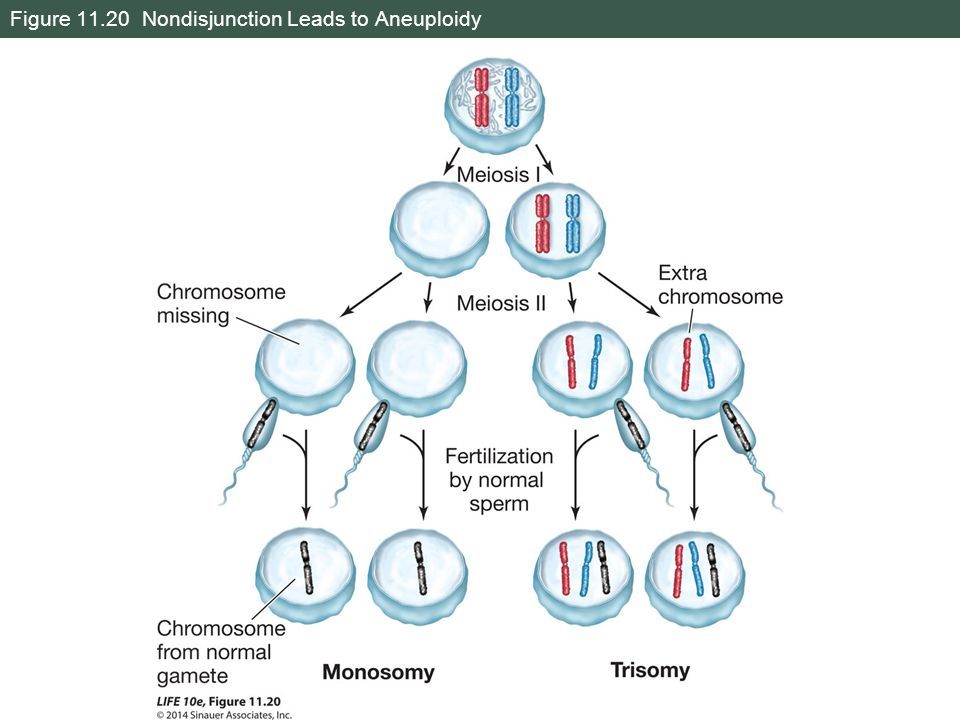
Aneuploidy is the loss/ gain of whole chromosomes and arise due to errors at cell division in meiosis
Identify some examples of aneuploidy where whole chromosomes are lost and identify their associated diseases
- Trisomies – Down syndrome +21, Patau syndrome +13 and Edwards syndrome +18
- Monosomies – Turner syndrome 45,X (X inactivation)
What is polyploidy?
Polyploidy is the gain of a whole haploid set of chromosomes (an example of aneuploidy) eg. triploid 3n – 69, XXX
What are the causes of polyploidy?
The most common cause of polyploidy is polyspermy i.e. fertilisation of an egg by more than one sperm
Aneuploidy is due to non-disjunction during cell division.
Describe how this occurs
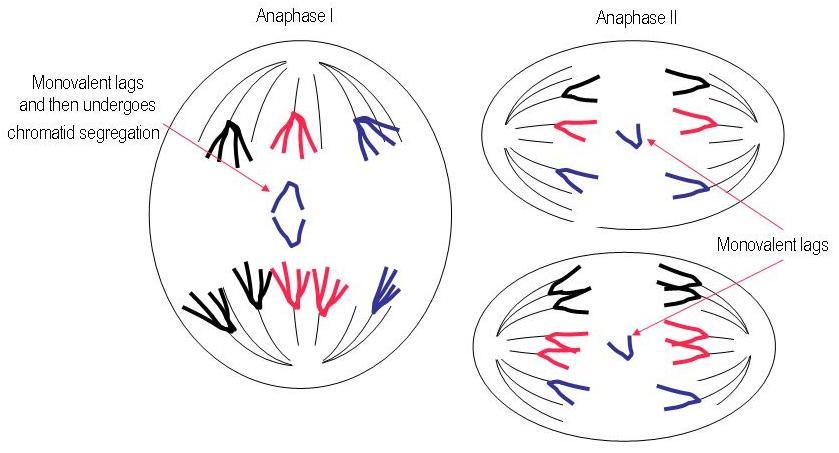
What is anaphase lag?
- Anaphase lag is when chromosomes are ‘left behind’ at cell division because of defects in spindle function or attachment to chromosomes
- The lagging chromosomes may be lost entirely in mitosis or meiosis
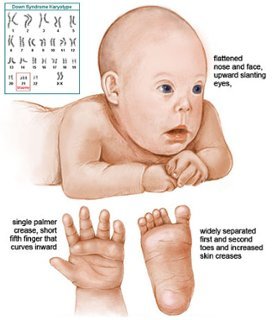
What is Down syndrome?
- Down Syndrome is a genetic condition arising due to trisomy 21 (third copy of chromosome 21)
- It manifests with characteristic facial features, intellectual disability, heart defects and increased prevalence of leukaemia
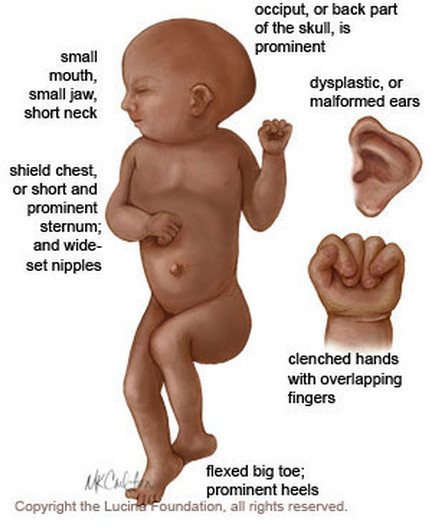
What is Edwards syndrome?
- Edwards syndrome is a genetic condition arising due to trisomy 18 (third copy of chromosome 18) in maternal meiosis II
- Babies survive for 5-15 days and it manifests with a small lower jaw, prominent occiput, low-set ears, rocker bottom feet and overlapping fingers
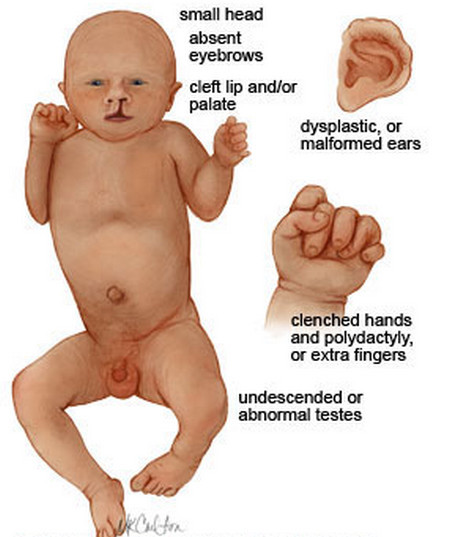
What is Patau syndrome?
- Patau syndrome is a genetic condition arising due to trisomy 13 (third copy of chromosome 13)
- Majority die in neonatal period and it manifests with holoprosencephaly, polydactyly and multiple other congenital abnormalities
What is Turner’s Syndrome?
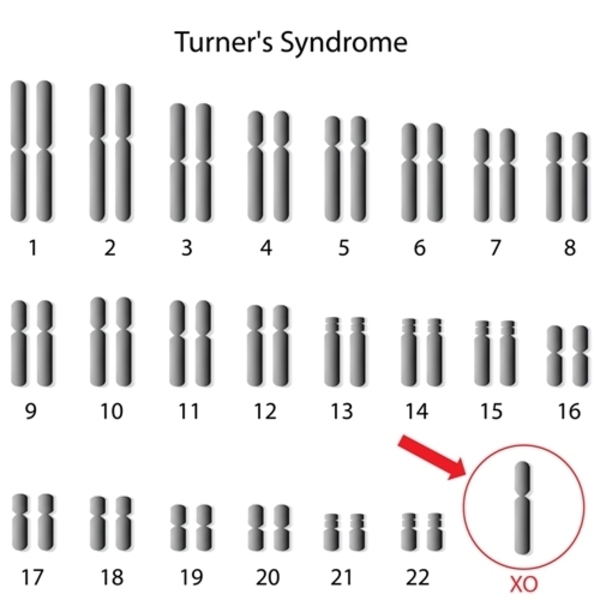
- Turner syndrome is a genetic condition occurring when one normal X chromosome is present in a female’s cells and the other sex chromosome is missing / structurally altered (X inactivation)
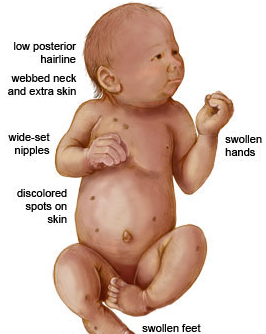
- It presents with puffy feet, short stature, heart defects, mild learning difficulties, neck webbing, infertility
What is mosaicism?
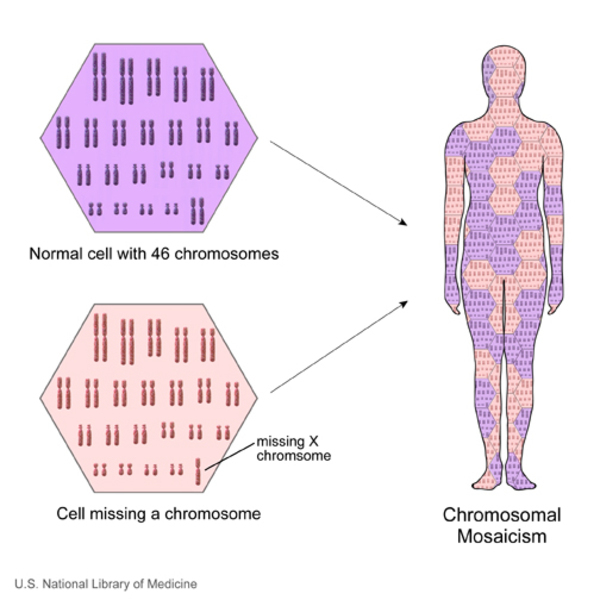
- Mosaicism is the presence of 2/more cell lines in an individual, usually caused by mitotic non-disjunction
- Occurs throughout the body or tissue limited & degree of mosaicism depends on when the error occurred
Identify 5 cytogenetic structural abnormalities
- Translocations
- Inversions
- Deletions
- Duplications
- Insertions
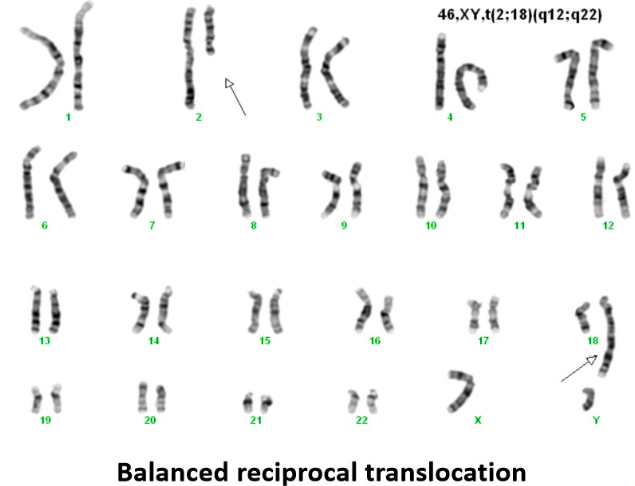
What are recipocial translocations?
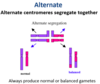
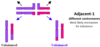
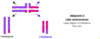
- Reciprocal translocations are usually an exchange of material between nonhomologous chromosomes wherein carriers produce balanced and unbalanced gametes
- If unbalanced offspring will have an abnormal phenotype dependant on regions of trisomy and monosomy
What are robertsonian translocations?
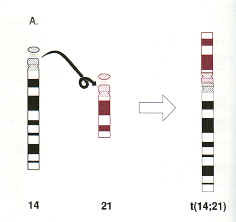
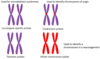
- Robertsonian translocations are a rare form of chromosomal rearrangement wherein acrocentric chromosomes break at their centromeres and the long arms fuse to form a single, large chromosome with a single centromere.
- Ther is a chromosome count of 45 in balanced carriers and homologous carriers can’t have normal pregnancy

-
S1) Basic Cell Structure26
-
S1) Introduction to DNA30
-
S2) Mitosis and Meiosis44
-
S3) DNA Repair & Cancer18
-
S4-5) Protein Structure45
-
S4) Enzymes40
-
S6) Genotype, Phenotype, Inheritance44
-
S7) Gene Expression32
-
S8) Post-translational Modifications25
-
S9) Introduction to DNA Mutation15
-
S9) Protein Targeting and Collagen Biosynthesis24
-
S10) Protein Function — Oxygen Transport15
-
S10) Regulation of Protein Function30
-
S11) Introduction to Molecular Diagnosis30
-
S12) Advanced Molecular Techniques19
-
S13) DNA Mutations15
-
S14) Chromosomal Mutations34
-
S15) Epigenetics18
-
S16) Nutrition, Diet and Body Weight50
-
S17) Energy Production — Carbohydrates50
-
S18) Energy Production — TCA Cycle & ETC30
-
S18) Energy Production III — Lipids, β-Oxidation & Ketone Bodies34
-
Clinical Conditions19


